
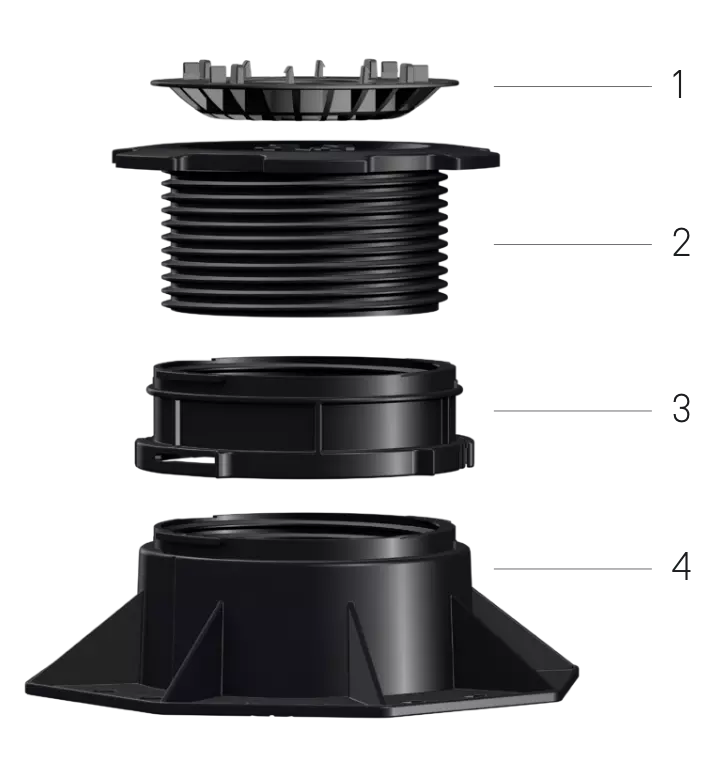
1 / ADD-ON Adapter
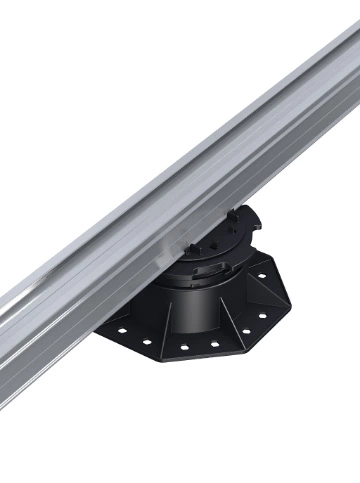
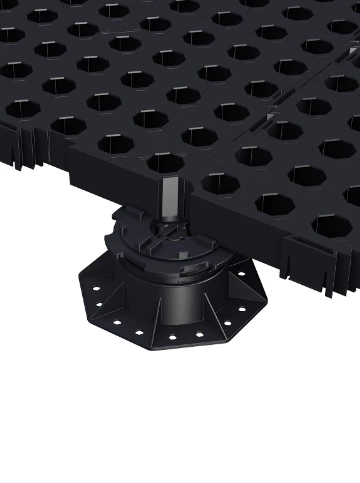
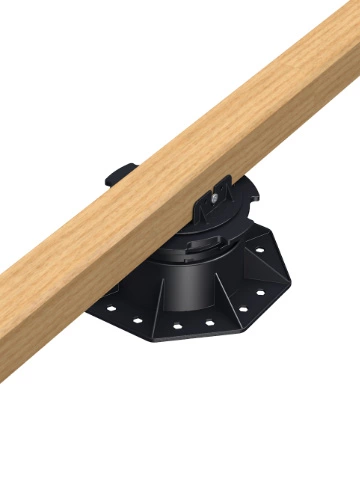
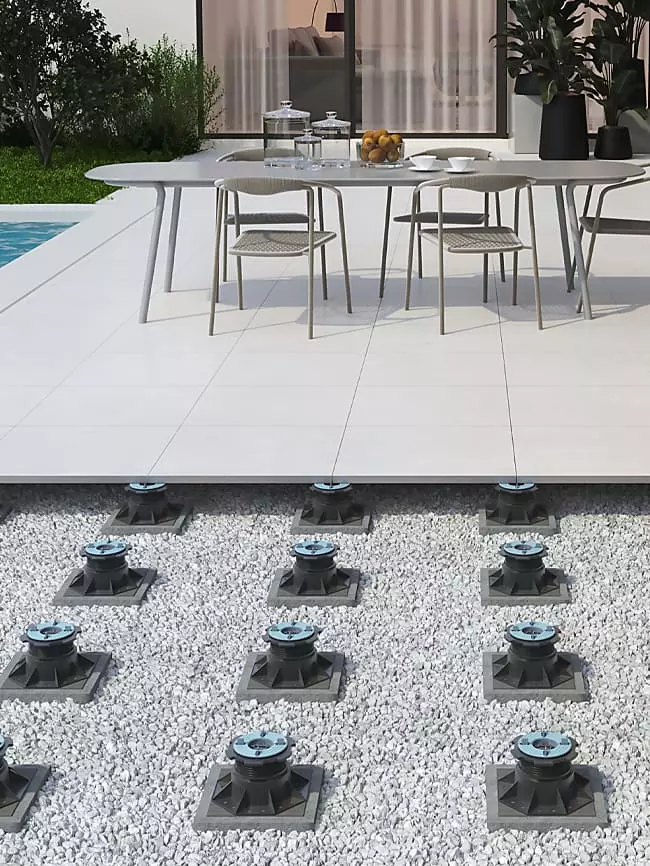
TRIAS HELIX provides a secure connection to all TRIAS substructures: ALU, WABIC 2.0, CROSS and timber.
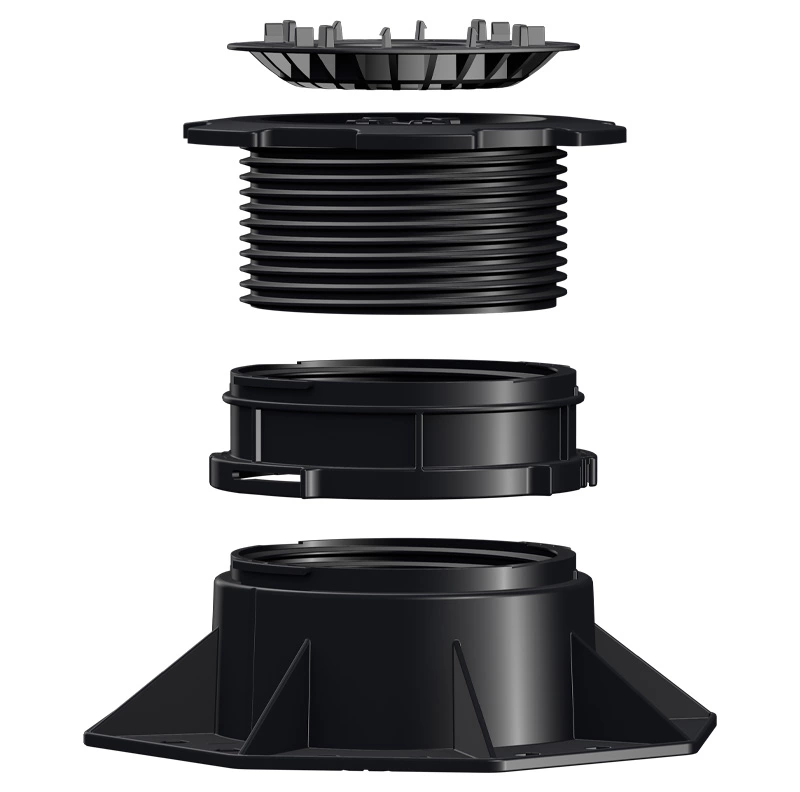
2 / Adjustment thread
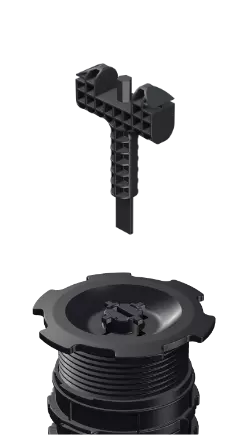
Stepless fine adjustment of the height using the TRIAS KEY, by hand or in a cordless screwdriver.
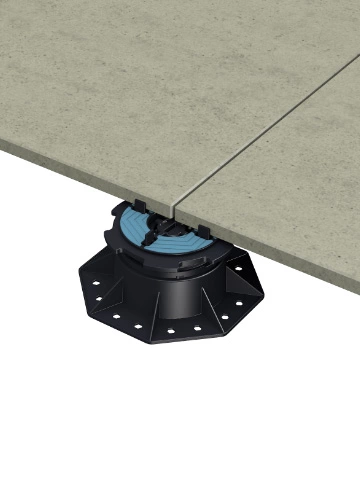
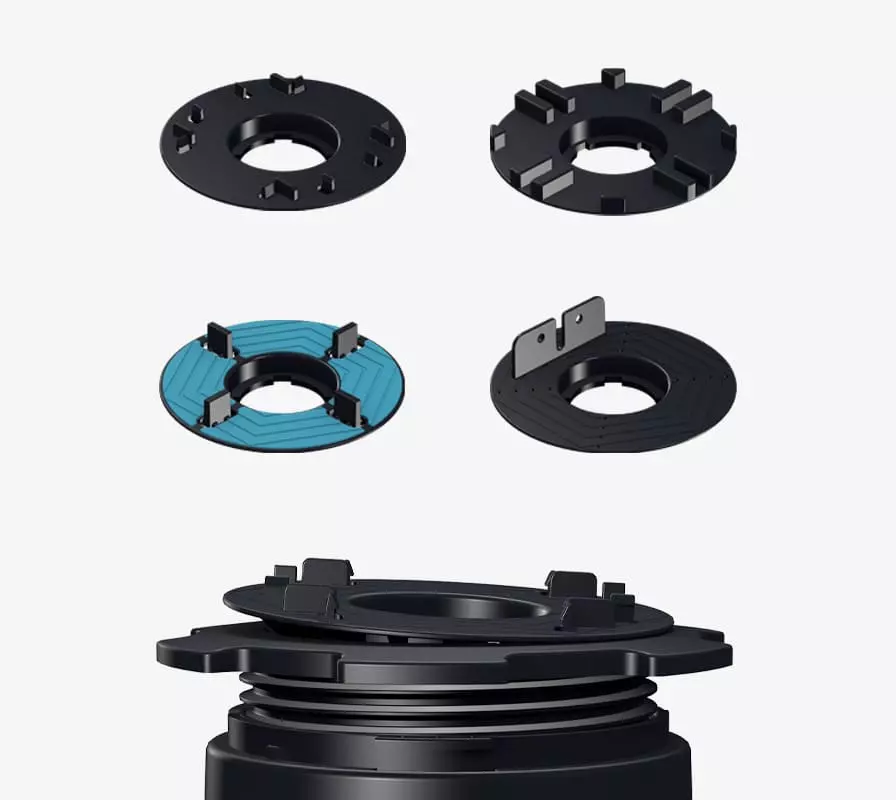
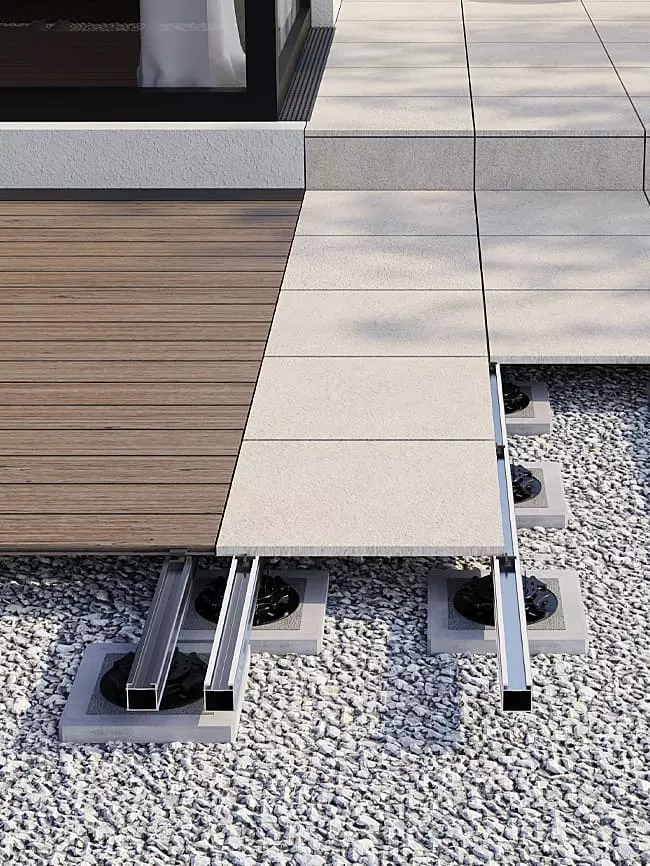
The TRIAS HELIX connects to all TRIAS substructures via an ADD-ON adapter. A suitable adapter is available for TRIAS ALU, WABIC 2.0, CROSS and timber substructures – it clips on without tools and provides a secure connection.
All adapters automatically compensate for unevenness and gradients of up to 8 per cent. Where a fixed alignment is required, the HELIX-Lock locks out the self-levelling function and secures the adapter in the 0° position.
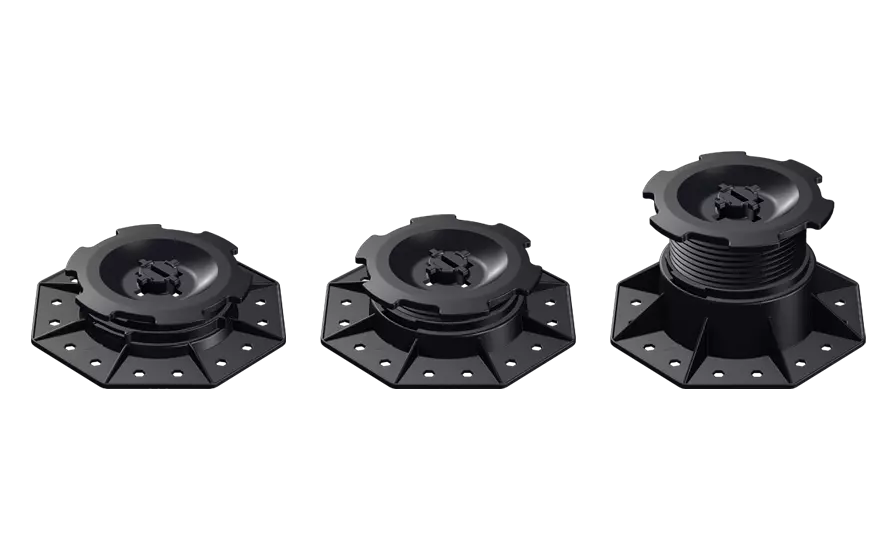
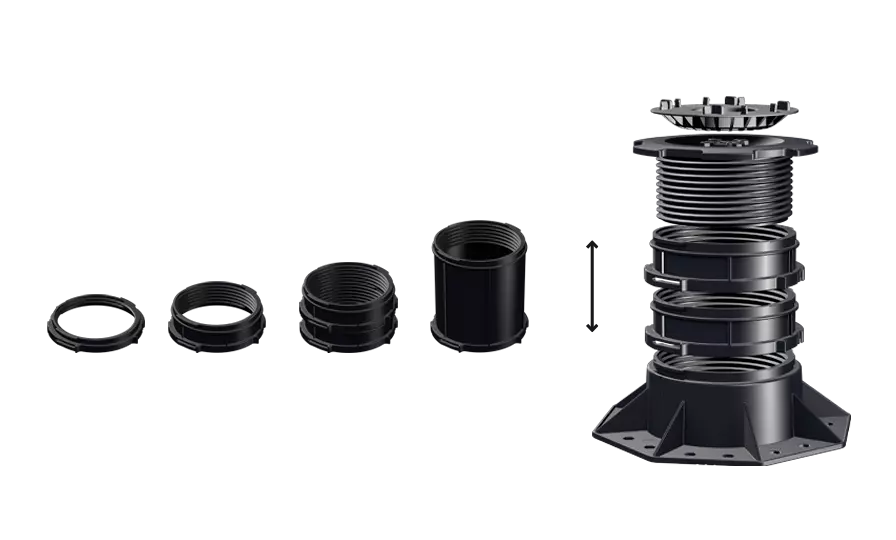
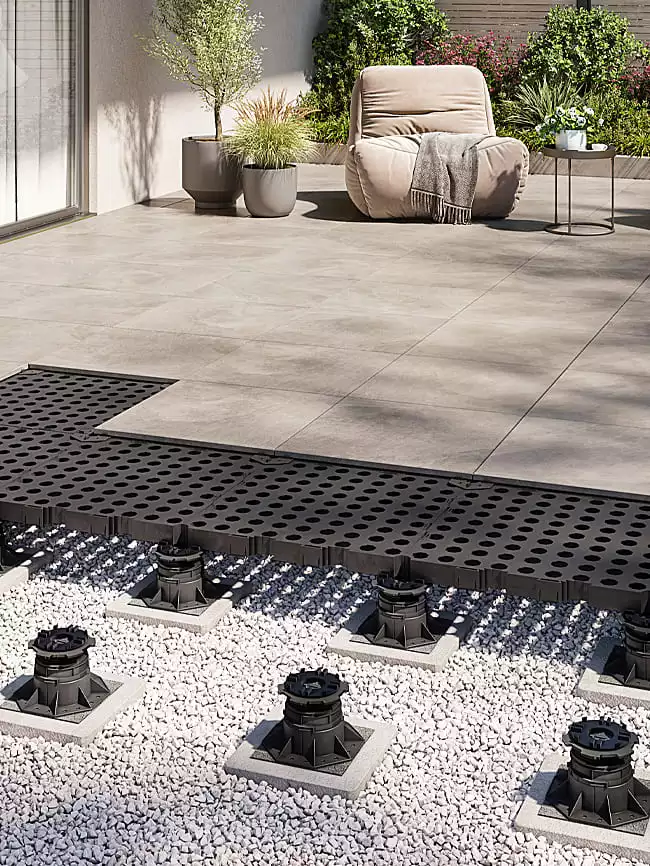
With EXTENDER PLUS, the height of the TRIAS HELIX pedestal supports for the patio can be flexibly adjusted. The extension modules are simply placed on top of the MULTIBASE support foot and secured. Four modules measuring 10, 30, 60 and 120 mm are available and can be combined as required.
Stepless fine adjustment is carried out via the integrated adjustment thread – using the TRIAS KEY, either by hand or clamped into a cordless screwdriver.
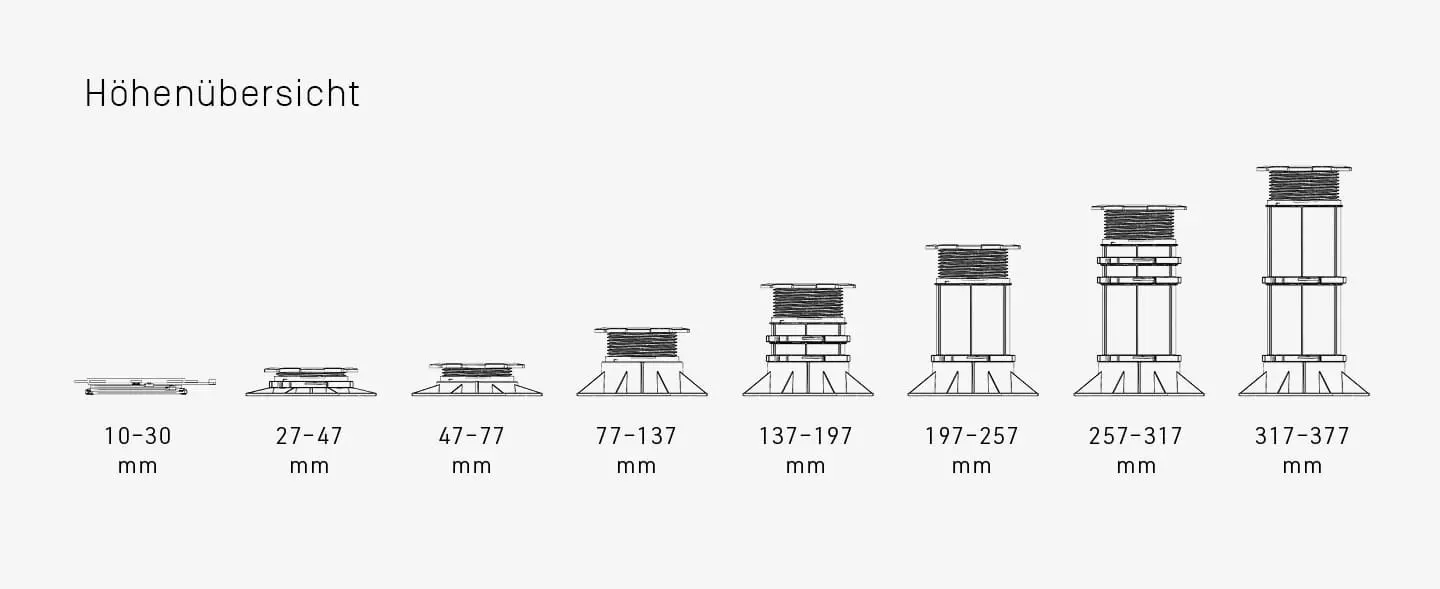
For very low installations of 10 to 30 mm, the TRIAS HELIX Flat pedestal is available. For heights of 27 mm and above, the TRIAS HELIX pedestal with adjustable base is used, which can be raised to a maximum of 377 mm using the EXTENDER PLUS.
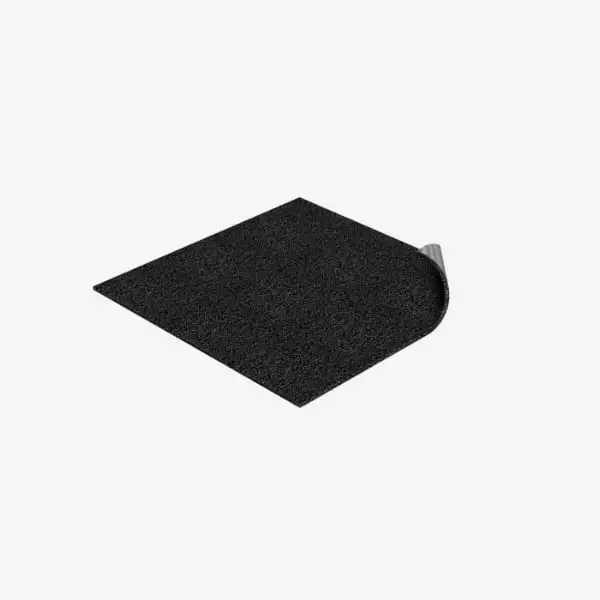
TRIAS Pad, aluminium-laminated
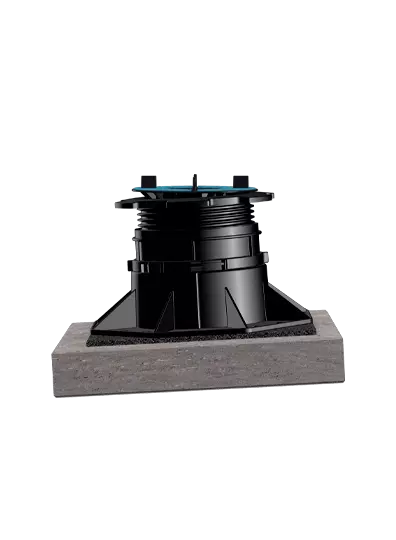
The TRIAS Pad, made from dimensionally stable rubber granules, can be used as an additional underlay for TRIAS HELIX pedestal supports. It compensates for minor unevenness, decouples the structure, reduces impact noise and ensures a secure, non-slip footing. The aluminium lamination on one side prevents the migration of plasticisers, which can cause damage to the insulation and waterproofing, particularly on roof terraces.
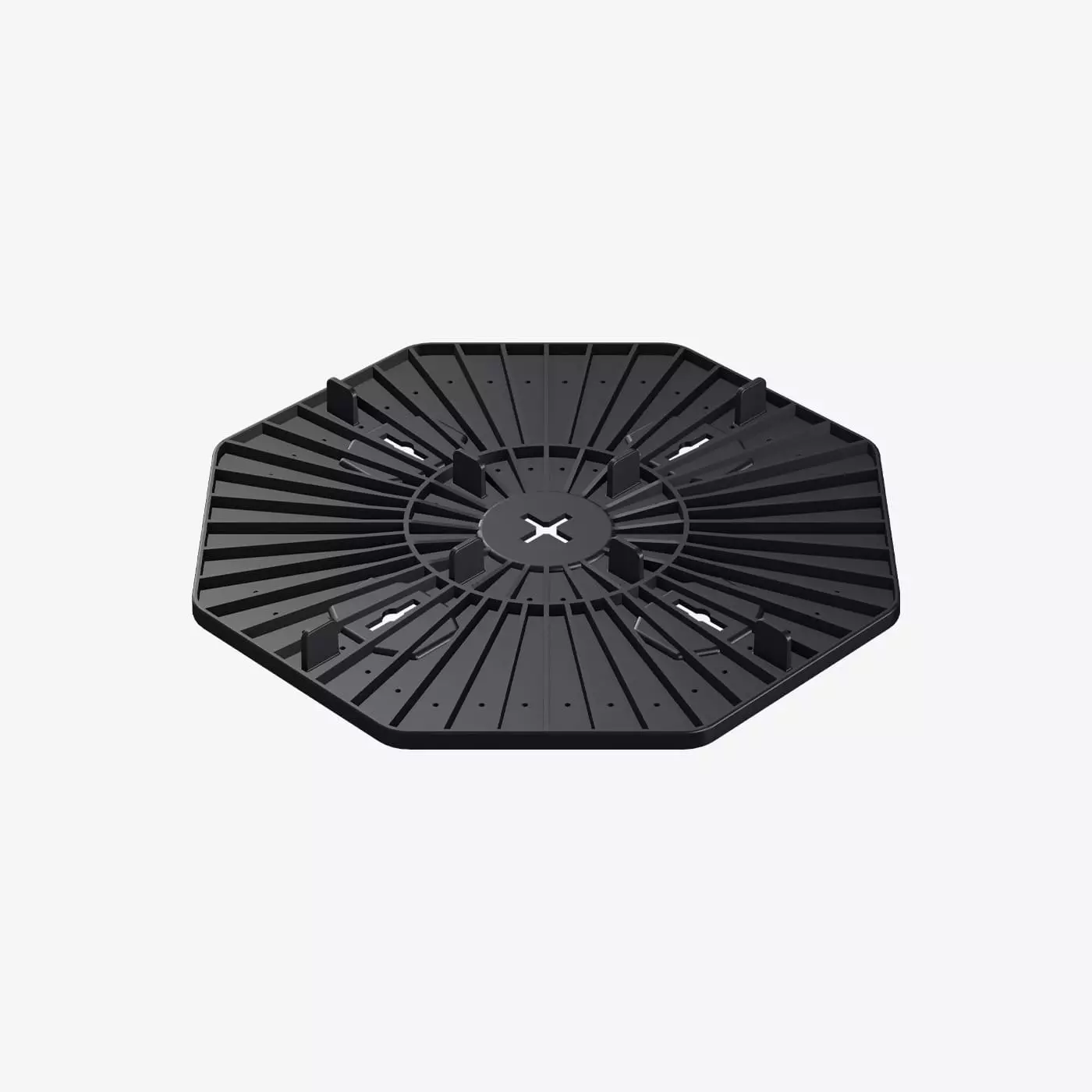
TRIAS HELIX BasePlate
The TRIAS HELIX BasePlate load-distribution plate increases the contact area of the TRIAS HELIX pedestal supports. It can be fitted without tools and ensures that the decking structure stands particularly securely and stably on all challenging sub-surfaces. At the same time, it improves load distribution and helps to prevent pressure peaks on sensitive sub-bases. On roof terraces, this protects the underlying waterproofing and insulation from damage.
- © Blauform GmbH
- Legal Notice
- Data Protection
- Terms and Conditions
Change cookie settings