WPC-Dielen sind in verschiedenen Längen, Breiten und Stärken erhältlich. Gängige Längen liegen zwischen 2,40 und 5,00 Metern (maximal 6 Meter, je nach Hersteller und Verwendungszweck). Die Standardbreiten liegen zwischen 12 und 20 cm, die Stärken variieren je nach Beanspruchung und Profil.
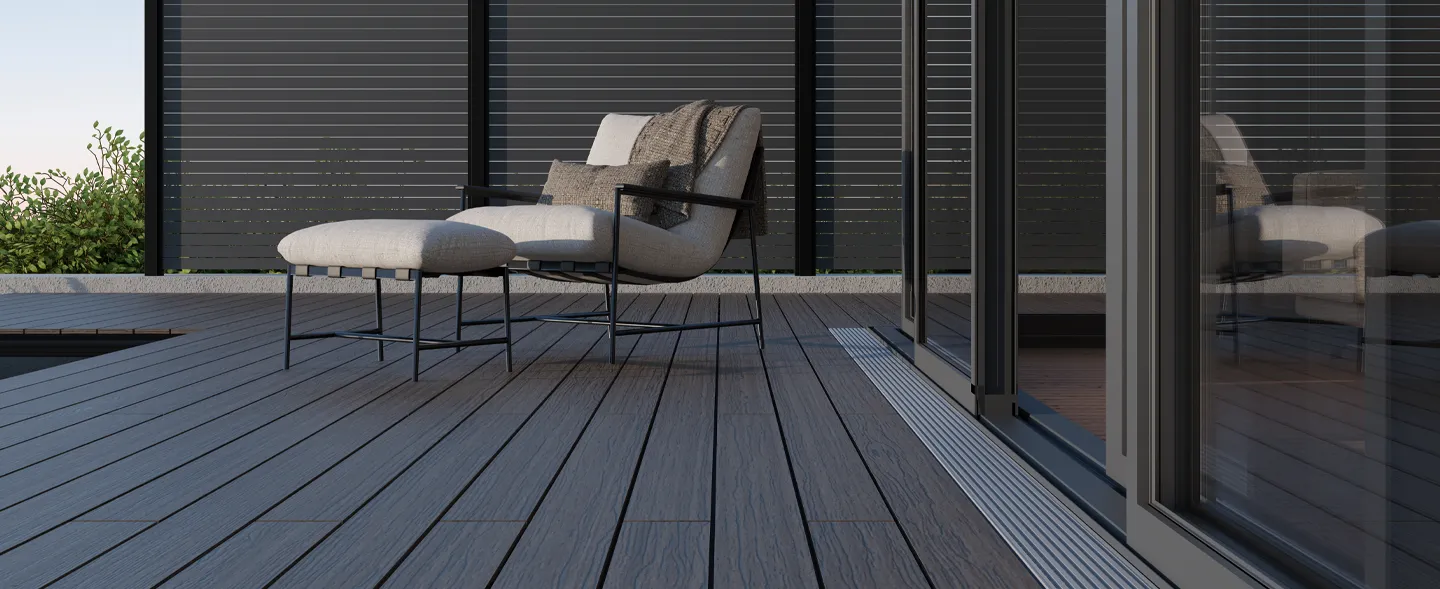
- WPC decking combines the aesthetic appeal of wood with the advantages of a modern composite material. It is weather-resistant, splinter-free and requires significantly less maintenance than real wood.
- WPC decking is available as solid profiles, which, thanks to their stability, are ideal for high-traffic areas. It is also available as hollow-core profiles, which are lighter and more cost-effective, but less durable.
- Finishes such as smooth, grooved or sealed offer additional customisation options.
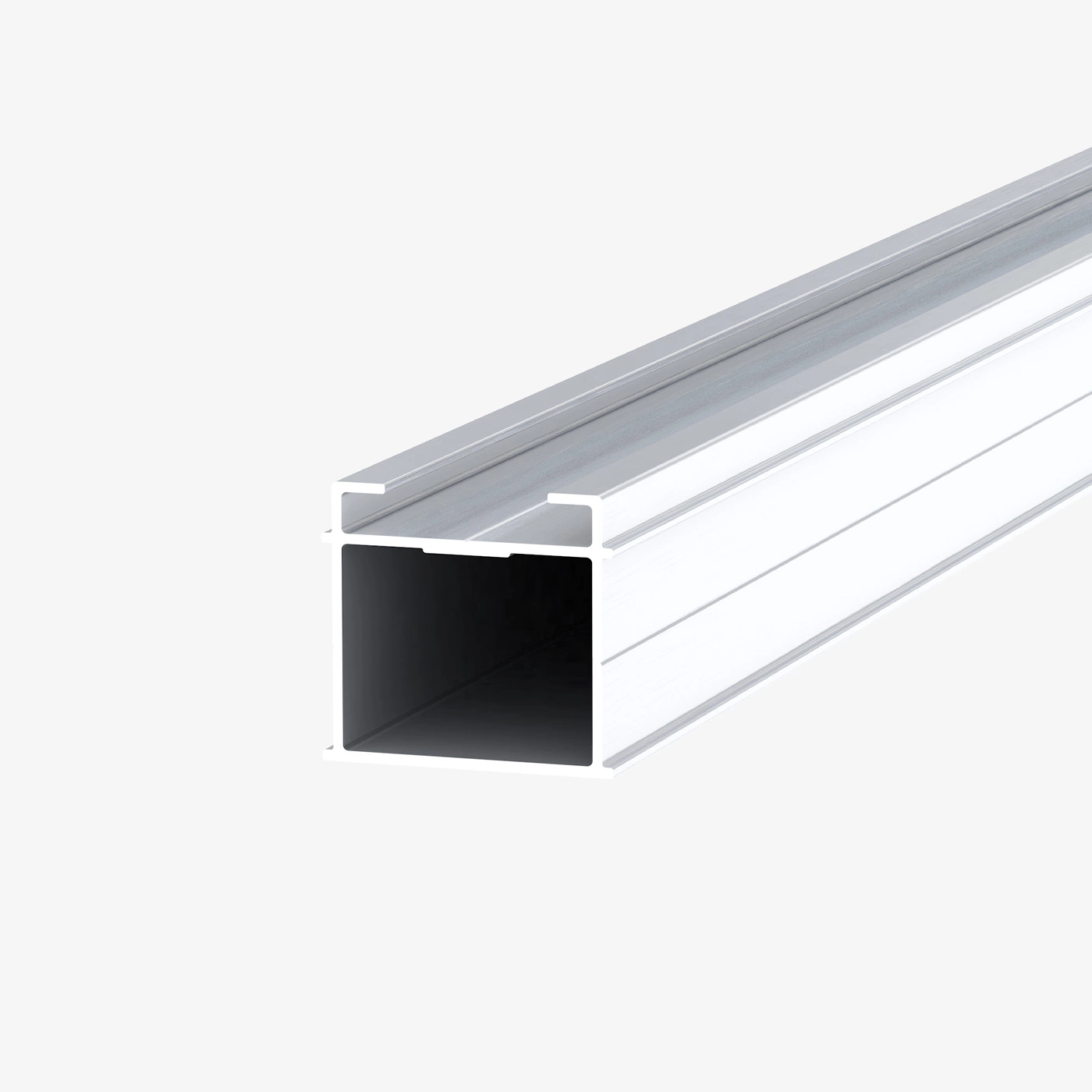
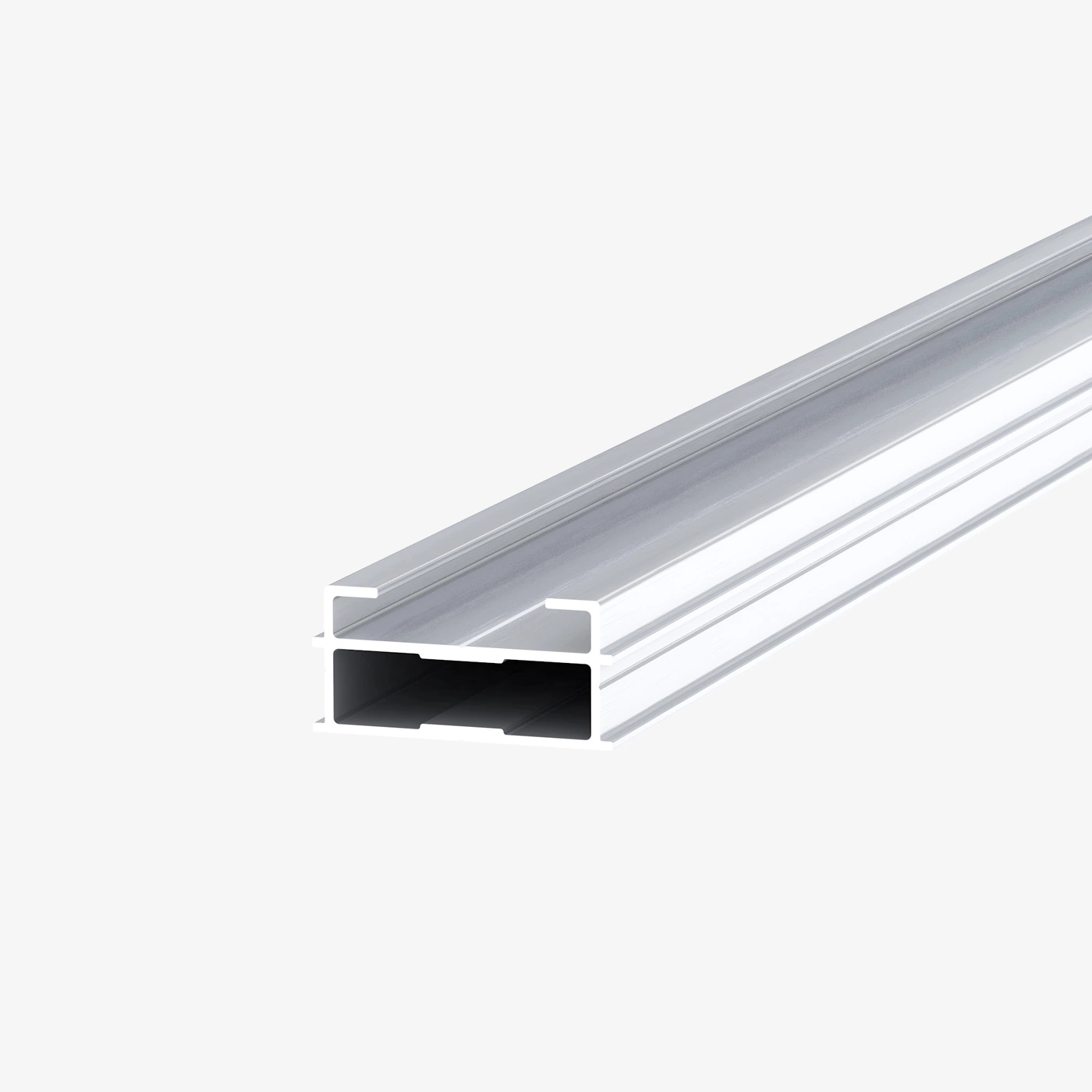
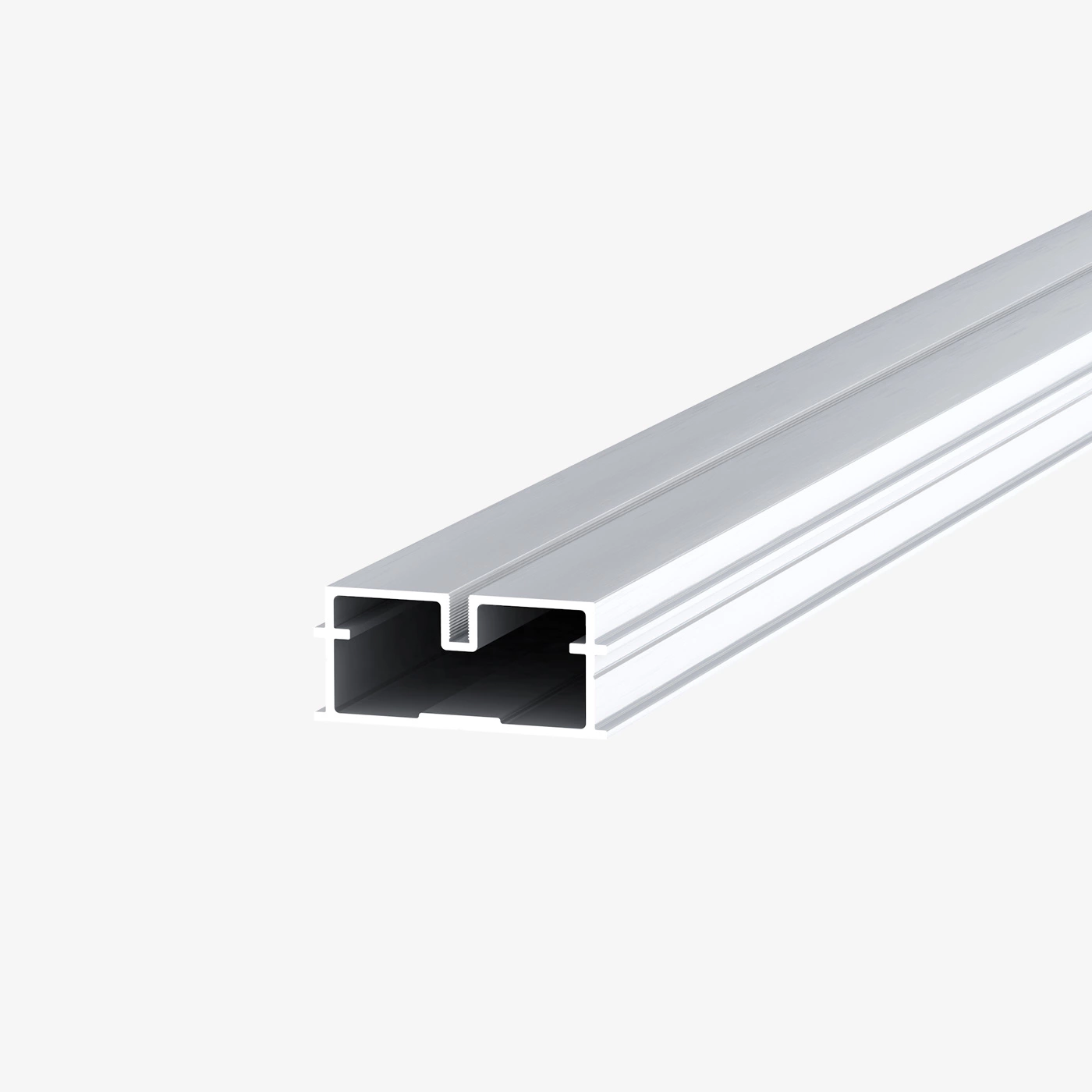
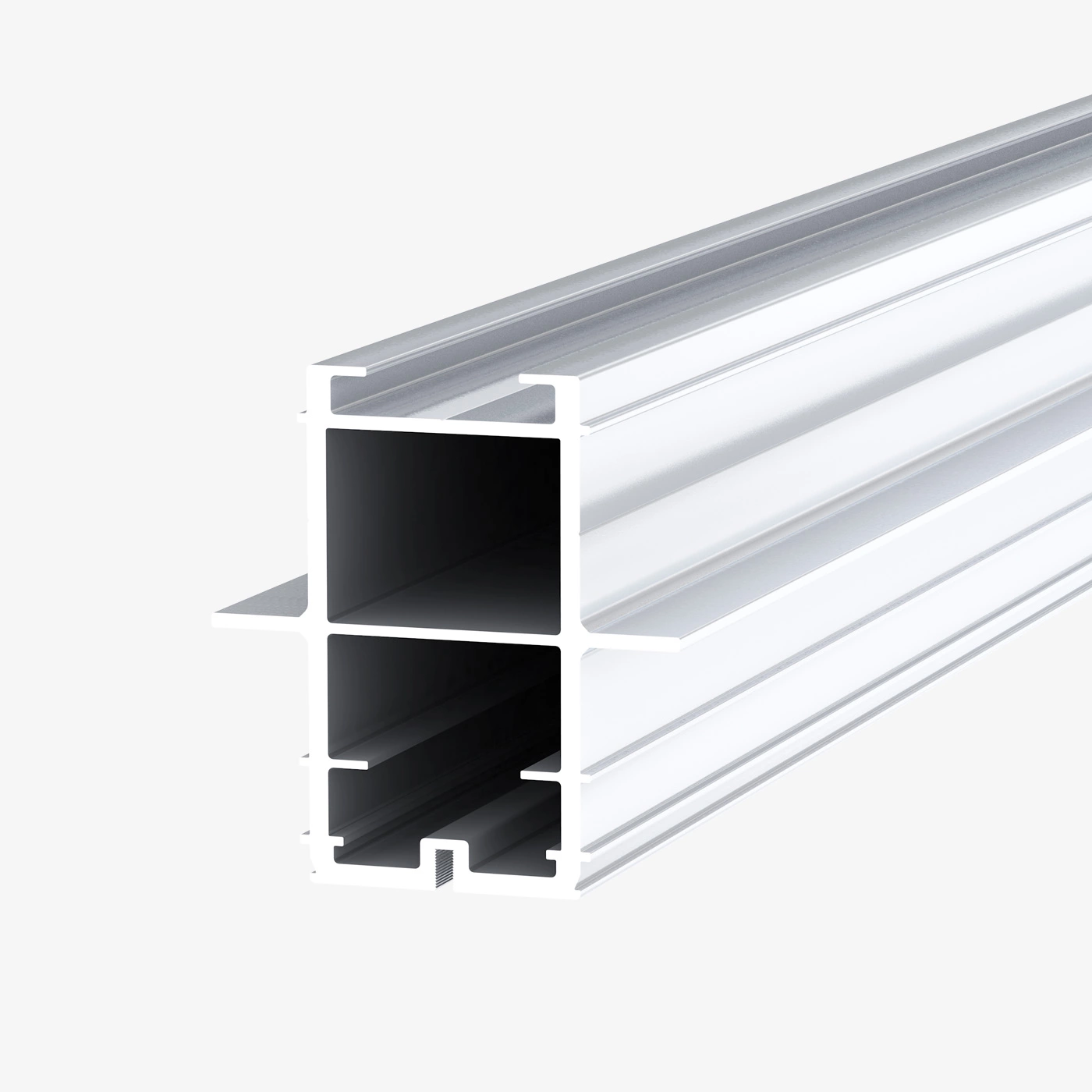
- A sturdy aluminium substructure ensures durability and good air circulation beneath the decking. This prevents waterlogging and protects against moisture damage.
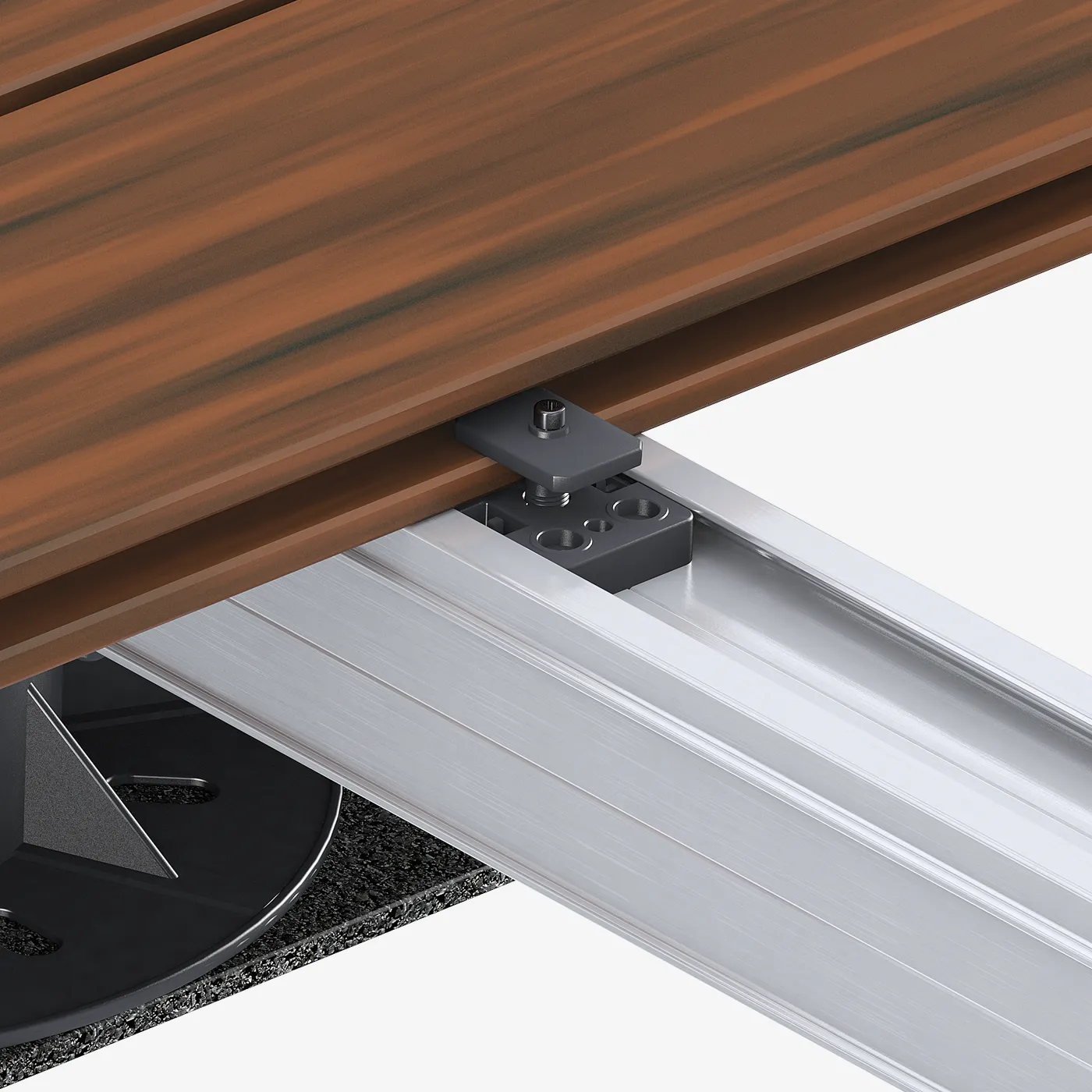
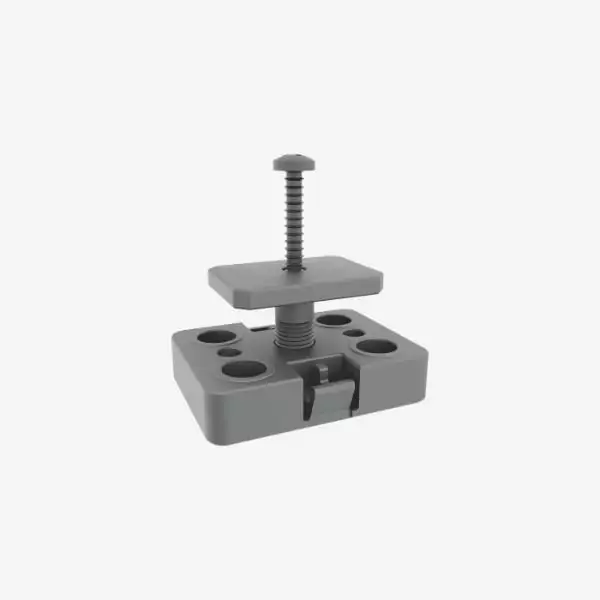
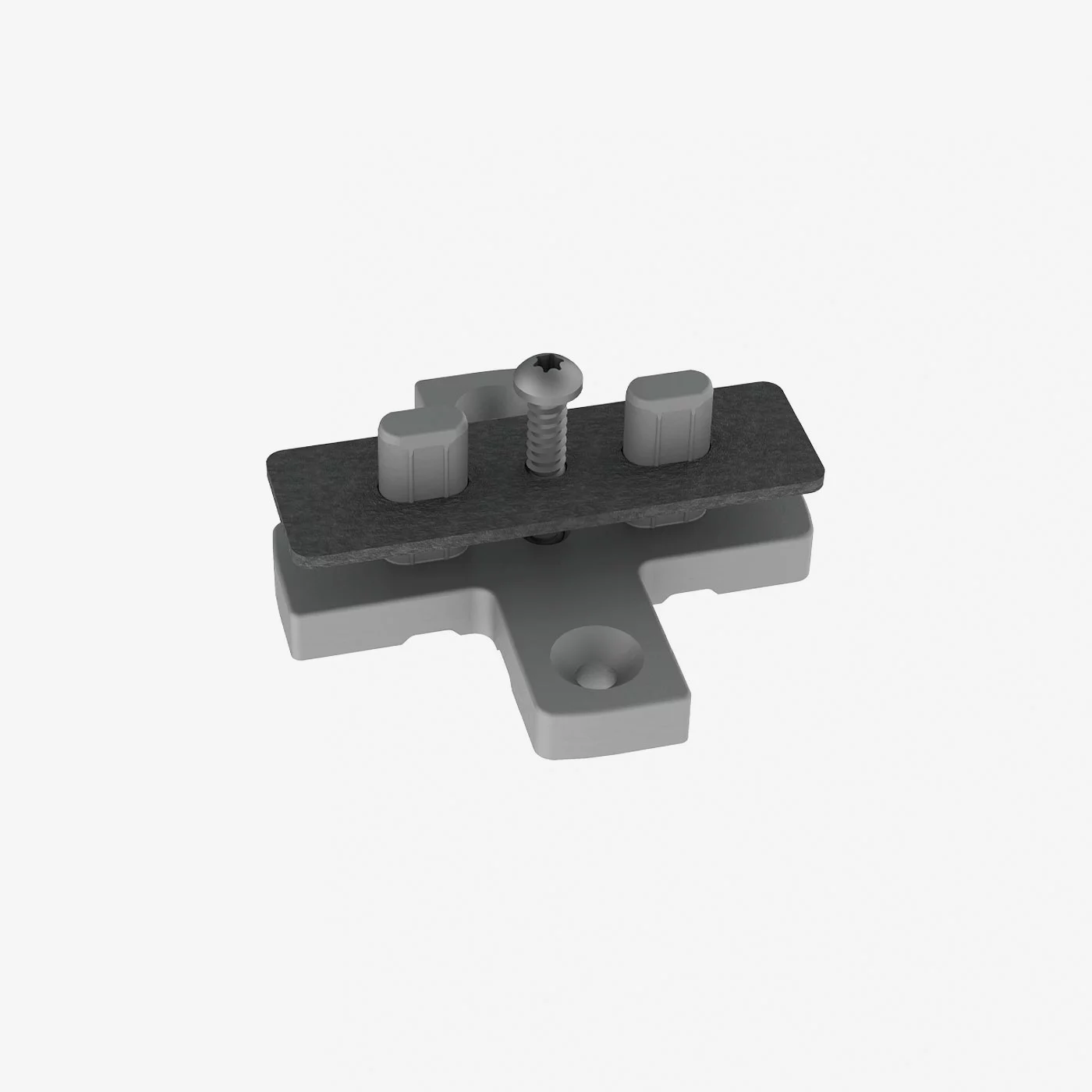
- Thanks to its low weight and precise workmanship, an aluminium substructure can be installed quickly and efficiently. The use of Multiclips allows the decking boards to be fixed in place easily and invisibly.
Who wouldn’t want the warm feel and natural look of wood on their patio, without having to worry about the care and maintenance it requires? The fact is: the elements can take a heavy toll on wooden decking over the years, initially damaging individual boards and eventually the entire surface. This is exactly where WPC (wood-plastic composite) comes in. The material combines the attractive look and feel of wood with the benefits of modern technology: it is weatherproof, robust, splinter-free and, what’s more, resistant to fungal and insect infestation.
WPC is available in a wide range of variants, each with its own specific advantages. Choosing the right substructure also plays a crucial role in the longevity of the decking. The following article provides an overview of the different types of WPC decking boards, their advantages, and offers practical tips on installation and selecting the appropriate substructure.
WPC? What’s that?
WPC (Wood-Plastic Composite) is a modern composite material made from wood fibres and plastic. This material combines the natural properties of wood with the strength and durability of plastic. Thanks to this composition, WPC decking boards are ideal for outdoor use. They resemble real wood in both appearance and feel, but require less maintenance.
Just like WPC decking, BPC (Bamboo-Plastic-Composite) decking is also a composite material, but one in which bamboo fibres are used instead of wood fibres. Bamboo, as a renewable raw material, is naturally very strong and regrows significantly faster than many types of wood. BPC decking boards are characterised by even greater resistance to moisture and are therefore particularly suitable for areas exposed to harsh weather conditions or high levels of moisture, such as around swimming pools.
The choice between WPC and BPC ultimately depends on individual needs and the specific requirements of the decking or outdoor area. Both materials are low-maintenance and durable alternatives to traditional timber or tropical woods.
What types of WPC decking are available?
There are two basic types of WPC decking: solid profiles and hollow-core profiles. Both variants offer specific advantages that make them particularly suitable for different applications:
- Solid-core profiles stand out for their solid construction, which makes them extremely stable and durable. Their robustness really comes into its own on high-traffic areas such as patios or paths. Thanks to their resilient structure, they can withstand even heavy use.
- Hollow-core profiles, on the other hand, are characterised by their light weight, which makes them easier to install. They are also often more affordable than solid profiles. However, they are less durable and are not suitable for decking, as they do not meet the requirements for stability and durability to the same extent as solid profiles.
Another distinction lies in the design of the decking boards: either with or without a groove.
- Decking boards with a groove allow for concealed fastening. Using TRIAS Multiclips, they are securely attached to the substructure. At the same time, these clips ensure uniform joint spacing and thus a neat appearance.
- Decking boards without a groove tend to expand due to weather conditions and are therefore not suitable for screw fixing. If screw fixing is nevertheless desired, it is advisable to choose specifically suitable types of timber instead of WPC. In general, WPC decking boards without a groove should not be used for building decking.
This variety makes it possible to find the right solution for individual requirements and preferences – naturally with a sturdy aluminium substructure as a durable foundation.
Smooth, ribbed or sealed? Everything you need to know about finishes
In terms of surface finishes, a distinction is made between smooth, grooved and sealed (co-extruded) decking boards:
- Smooth WPC decking boards:
These boards dry particularly quickly and have an elegant look thanks to their simple design. Although they are easy to maintain, they are less suitable for outdoor use as their surface can be very slippery. - Ribbed WPC decking boards:
Ribbed boards are very popular due to their slip resistance and good water drainage. However, care must be taken to ensure that the grooves remain clean, as otherwise water and dirt can accumulate. It is also important to ensure the decking has the correct slope to prevent waterlogging: algae and moss can make the surface slippery. The grooves either run the entire length of the board or are milled into narrow strips. - Sealed (co-extruded) WPC decking boards:
These boards are becoming increasingly popular as they are coated with a plastic layer for additional protection. The coating makes them particularly resistant to external influences. Co-extruded WPC decking boards are often given a wood grain finish to make them look even more natural.
Possible laying patterns for WPC decking boards
WPC decking boards offer plenty of options for giving your patio a personalised look. The boards can generally be laid in two ways: in a herringbone pattern or in a continuous pattern. The herringbone pattern, also known as ship’s plank or staggered laying, is considered a classic patio pattern. Here, the boards are laid with staggered joints, creating a lively and textured appearance. With the continuous pattern, on the other hand, the boards are laid directly side by side without any gaps, resulting in a clean, modern look.
Another alternative is the alternating pattern, in which planks of different lengths are arranged in a staggered manner. This pattern gives the decking a playful yet harmonious look. Each laying pattern has its own character and can be perfectly tailored to the desired style and surroundings of your decking.
Wood or WPC decking? A comparison
The choice between natural wood and WPC (wood-plastic composite) depends largely on personal taste. Real wood is appealing because of its uniqueness, but it requires regular maintenance to preserve its natural beauty. WPC, on the other hand, offers a similar appearance but is lower-maintenance and does not require any recurring treatment.
Advantages of WPC over natural wood:
- Weatherproof: Weather-resistant and durable
- Moisture-resistant: Less prone to warping or damage caused by moisture
- No cracking: The surface remains stable and smooth
- Mould-resistant: Virtually no risk of fungal or mould growth
- Low-maintenance: Minimal effort required for cleaning and upkeep
- Safe: Reduced risk of splintering, ideal for families with children
- Wide selection: A broad range of colours and surface textures
- Suitable for swimming pools: Perfect for damp areas such as swimming pools or spas
Disadvantages of WPC compared to natural wood:
- Different feel: Despite its wood-like appearance, the feel is not identical to that of real wood
- More expensive: Slightly more costly than basic wooden floorboards, but comparable to high-quality hardwood
- Heat-sensitive: WPC can heat up more in the sun than timber
Decking substructure: a solid foundation for WPC decking boards
Do you need a sub-frame for WPC decking? Yes, absolutely! Decking boards must never be laid directly on the ground. A sub-frame not only provides the necessary ventilation, but also prevents moisture damage and offers a level, stable base. The result: a uniform and long-lasting decking surface.
To ensure optimum air circulation, an air gap of at least 5 cm beneath the decking boards is essential. A gap of at least 2.5 cm should be maintained between the decking and any walls. Additional ventilation grilles (available in the TRIAS system) aid air circulation and prevent damp problems.
The right material for the substructure
Substructures can be made of timber, WPC, aluminium or steel. We recommend aluminium, as it is durable, weather-resistant and lightweight. Unlike timber or WPC, which can lose their load-bearing capacity over time, aluminium remains stable and reliable. Investing in a high-quality aluminium substructure pays off in the long term and eliminates the need for costly repairs.
Installing a sub-frame for WPC decking boards
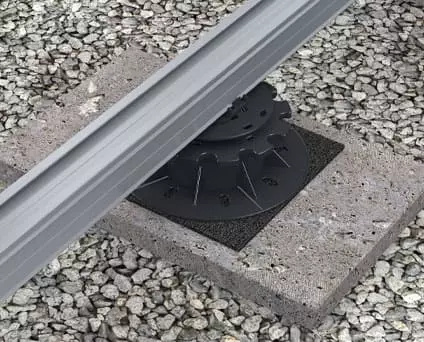
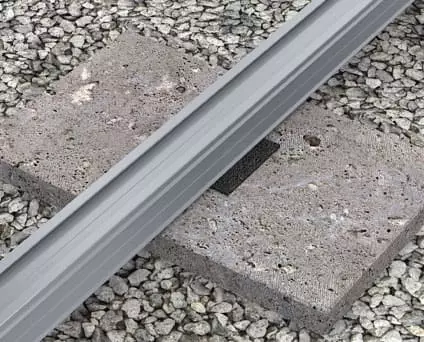
A tried-and-tested system for WPC decking is the TRIAS ALU System. The decking boards are fixed in place using clips, which ensure a concealed finish. For this, you will need decking boards with a groove. Depending on the desired installation height, either pedestal supports or pads laid directly on the ground are used. A gravel bed with concrete slabs at the support points serves as the foundation. For additional stability, we recommend constructing a closed frame.
You can find detailed installation information in our instructions.
Which profiles from the TRIAS ALU substructure are suitable for WPC decking boards?
In principle, any profile that features a mounting point for multi-clips can be used. As we do not recommend screwing WPC decking boards directly onto a substructure, profiles that only have a screw channel (such as the TRIAS ALU Slim-SK) are not suitable. However, with the multifunctional TRIAS Clip-SK, we also offer a solution for this and for profiles with a flat bearing surface.
Do I need a closed frame for the aluminium substructure?
We recommend installing the TRIAS substructure as a closed frame. Cross-bracing is not strictly necessary for the tested load-bearing capacities. However, additional cross-bracing can be fitted between the longitudinal profiles to ensure particularly high dimensional stability.
Important: When planning the substructure, the required overhang of the decking must be taken into account. Our recommendation: a 25 mm overhang on all sides. Please also note: the second and penultimate aluminium cross-members should each be set back by half. The rule of thumb is: at the edge, the spacing is a maximum of 20 cm, i.e. only half the usual distance.
What spacing must be maintained between the profiles of the aluminium substructure for WPC decking?
In a closed-frame construction, the distance between the parallel longitudinal profiles is referred to as the bay width. For decking, we recommend a maximum bay width of 40 cm. Our configurator will help you with precise planning. It is also helpful to consult the installation instructions.
Important: The specifications provided by the respective decking manufacturer always take precedence. You will find the necessary information in the data sheets for the relevant WPC or BPC decking boards. If specified by the manufacturer, sufficient space should be allowed at the ends between the boards to accommodate material expansion. Tip: Always measure the spacing from the centre of the base profiles to ensure even alignment.
Do I need pedestal supports for the aluminium substructure?
Not necessarily. The frame structure can also be placed on TRIAS support pads. We recommend concrete slabs or paving slabs as a base beneath the pedestal supports or pads. The use of pedestal supports depends on the desired installation height. Elevated supports are particularly recommended for WPC decking, as they allow for good under-deck ventilation. The air gap beneath the structure should be at least 5 cm.
Note: For low installation heights, it is best to seek advice from a specialist and follow the decking manufacturer’s instructions. The number of pedestals or pads depends on the permissible span of the substructure. This can rest either exclusively on pads or on pedestals.
How many support points does an aluminium substructure require for WPC decking?
The number of support points depends on several factors: the span width (the spacing between the aluminium profiles), the live load and the profile system used. Heavy-duty profiles such as TRIAS ALU ULTRA, for example, can span distances of up to 3 metres. It is essential to adhere to the maximum permissible spans for the support points as specified by the manufacturer.
Further information on the specific system requirements can be found in our installation instructions.
What else needs to be taken into account during the planning stage?
When planning a patio, you should first check whether planning permission is required and whether regulations such as boundary clearances must be observed. Check the routing of electricity and water pipes to avoid damage. Plan the size of the patio so that there is sufficient space for furniture and sunshades, and take into account the required installation height. You will find instructions on how to calculate the exact installation height in the assembly instructions.
Observe local building regulations and the manufacturer’s instructions to ensure a safe and durable structure.
What do I need to bear in mind when installing WPC decking on an aluminium substructure?
To prevent waterlogging – which is a particular concern with WPC and BPC decking – our TRIAS aluminium profiles are shaped so that the WPC/BPC boards rest only on a narrow web to the right and left of the rail. The central TRIAS system groove effectively drains water, thereby preventing waterlogging.
Furthermore, it is strongly recommended that the WPC boards are not screwed directly onto the profiles.
In our installation guide, we show you in detail, step by step, how to assemble the aluminium substructure for WPC decking. Our online configurator will help you with the initial planning. Once you have successfully installed the aluminium decking substructure, you will have a secure and durable support system for your decking. We’ll now move on to the final step: installing the decking boards onto the substructure.
1. Preparation
: Checking the WPC decking boards: Due to manufacturing variations in length and right angles, it is advisable to check the boards before installation and, if necessary, cut them to 90 degrees.
2. Installation of the first plank
: The first plank is securely fastened to the sub-frame using the TRIAS starter clip.
3. Overhang
: The overhang of the planks beyond the substructure must not exceed 5 cm.
4. Joints
A joint of 5 mm must be maintained between the planks.
5. Clearance from fixed structures
A clearance of at least 2.5 cm from fixed structures must be ensured to allow sufficient space for the material to expand.
6. Direction
of installation: The direction of installation is indicated by a notch in the groove. This must be observed to ensure a uniform colour appearance.
7. Use of Multiclip-T fixing clips
: Tighten the clips to a torque of 1.5 Nm to prevent damage.
8. Laying the planks
The planks are laid individually and one after the other. Secure each plank to the sub-frame using the TRIAS Multiclips-T.
9. Securing
against movement Ensure that the planks are secured to prevent them from shifting. For the final plank, screw the TRIAS end clip firmly to the sub-frame.
Important: WPC decking boards must not be screwed directly onto the aluminium substructure. Instead, use TRIAS Multiclips and planks with a groove. Please note: TRIAS Multiclips must under no circumstances be used to fix planks with a groove that has been milled in retrospectively, as they are not approved for this purpose under building regulations.
Welche Maße haben WPC-Dielen?


Kann man WPC-Dielen zuschneiden?
Ja, WPC-Dielen können zugeschnitten werden. Hohlprofile können nur in der Länge gekürzt werden. Vollprofile können auch in der Breite zugeschnitten werden, jedoch ist dies aufwändig und oft nicht zulässig. Dies sollte bei der Planung der Terrasse unbedingt berücksichtigt werden.
Wie lange halten WPC-Dielen im Freien?
Massive WPC-Dielen haben eine Lebensdauer von 15 bis 30 Jahren. Hohlkammerdielen haben in der Regel eine Lebensdauer von ca. 10 Jahren. Beachten Sie stets die spezifischen Angaben der jeweiligen Hersteller, da diese entscheidend für die genaue Haltbarkeit sind.
Kann eine Alu-Unterkonstruktion für WPC-Dielen auf einer Dachterrasse verwendet werden?
Ja, WPC-Dielen können auf einer stabilen Aluminium-Unterkonstruktion auch auf einer Dachterrasse verlegt werden. Der Rahmen der Unterkonstruktion muss gegen Anheben und Verrutschen gesichert werden, zum Beispiel durch Montagewinkel oder Beschwerdeplatten. Randdielen können mit TRIAS Starter- und Endclips sicher befestigt werden. Mit dem Profil ALU ULTRA können Spannweiten von bis zu 3 Metern überbrückt werden.
In welcher Richtung sollten WPC-Dielen verlegt werden?
WPC-Dielen sollten quer zur Hauswand verlegt werden, mit der Aluminium-Unterkonstruktion längs zur Wand. Das Gefälle sollte 2 bis 2,5 Prozent betragen und vom Gebäude wegführen. Als Abschluss können zwei Dielen längs zur Terrasse verlegt werden.
Wie groß sollte der Abstand zwischen den WPC-Dielen sein?
Der ideale Abstand zwischen den Dielen liegt bei 4 bis 7 mm und sollte unbedingt eingehalten werden. Zu enge Abstände können bei Ausdehnung des Materials zu Problemen führen. TRIAS-Multiclips sorgen für gleichmäßige Abstände und sind für Dielen mit Nut geeignet. Der TRIAS Multiclip-T gewährleistet einen Abstand von 7 mm. Für höhere Belastungen eignet sich der TRIAS Multiclip-TS mit edelstahlverstärktem T-Adapter.
Braucht man bei WPC-Terrassen ein Regengitter?
Ein Regengitter verbessert die Entwässerung der Terrasse und reduziert die Feuchtigkeit auf dem Belag, insbesondere bei Starkregen. Es ist ein Muss für große oder exponierte Terrassenflächen sowie an Türen und vor bodentiefen Fenstern. Unter dem Regengitter sollte eine korrekte Drainage eingeplant werden.
Kann WPC recycelt werden?
WPC kann theoretisch recycelt werden, wird aber meistens der thermischen Verwertung zugeführt. Kleinere Mengen können über den Hausmüll entsorgt werden, größere Mengen sollten über Müllverbrennungsanlagen oder Sperrmüllcontainer entsorgt werden. Einige Hersteller bieten Rücknahmesysteme an. Bitte beachten Sie die Angaben des Herstellers und halten gegebenenfalls Rücksprache mit dem regionalen Entsorgungsunternehmen. (Stand 12/2024)
Was kostet die Entsorgung von WPC?
Manche Hersteller, insbesondere in Deutschland, ermöglichen die kostenfreie Rücknahme von WPC. Zahlreiche Kommunen bieten über ihre Entsorgungsbetriebe eine Abholung von Sperrmüll an, deren Gebühren abhängig vom Volumen oder Gewicht berechnet werden. (Stand 12/2024)
Ist WPC Sondermüll?
Nein, WPC ist kein Sondermüll. Kleinere Mengen können über den Hausmüll entsorgt werden, größere Mengen sollten über Müllverbrennungsanlagen entsorgt werden. Fragen Sie in Ihrer Gemeinde nach den Regelungen und beachten Sie die Angaben des Herstellers. (Stand 12/2024)
Ist WPC gesundheitlich unbedenklich?
Ja, WPC gilt als sicher und gesundheitlich unbedenklich. Mehr hierzu entnehmen Sie bitte den Angaben des jeweiligen Herstellers. (Stand 12/2024)

